Shiva Nataraja. Polonnaruwa.c 1000-1100 AD.
By the early middle ages, a Tamil dynasty, the Cholas, had become masters of an empire which dominated the whole of southern India. During the 11th century they sacked Anuradhapura and overran northern Sri Lanka, creating a new capital at Polonnaruwa. They were finally driven out in 1070 and a new Sinhalese dynasty established. This became the medieval capital of Sri Lanka. Buddhism was restored to its pride of place and there was a brilliant but brief revival of Sinhala culture (1070-1232)
Although there is a continuity with the art and architecture of the past, the character of this civilization was different. The Cholas were Tamil and staunch Hindus and they brought with them the traditions, language and culture of South India. Rather than rejecting these new and alien elements, the new Sinhalese kingdom assimilated and incorporated them.
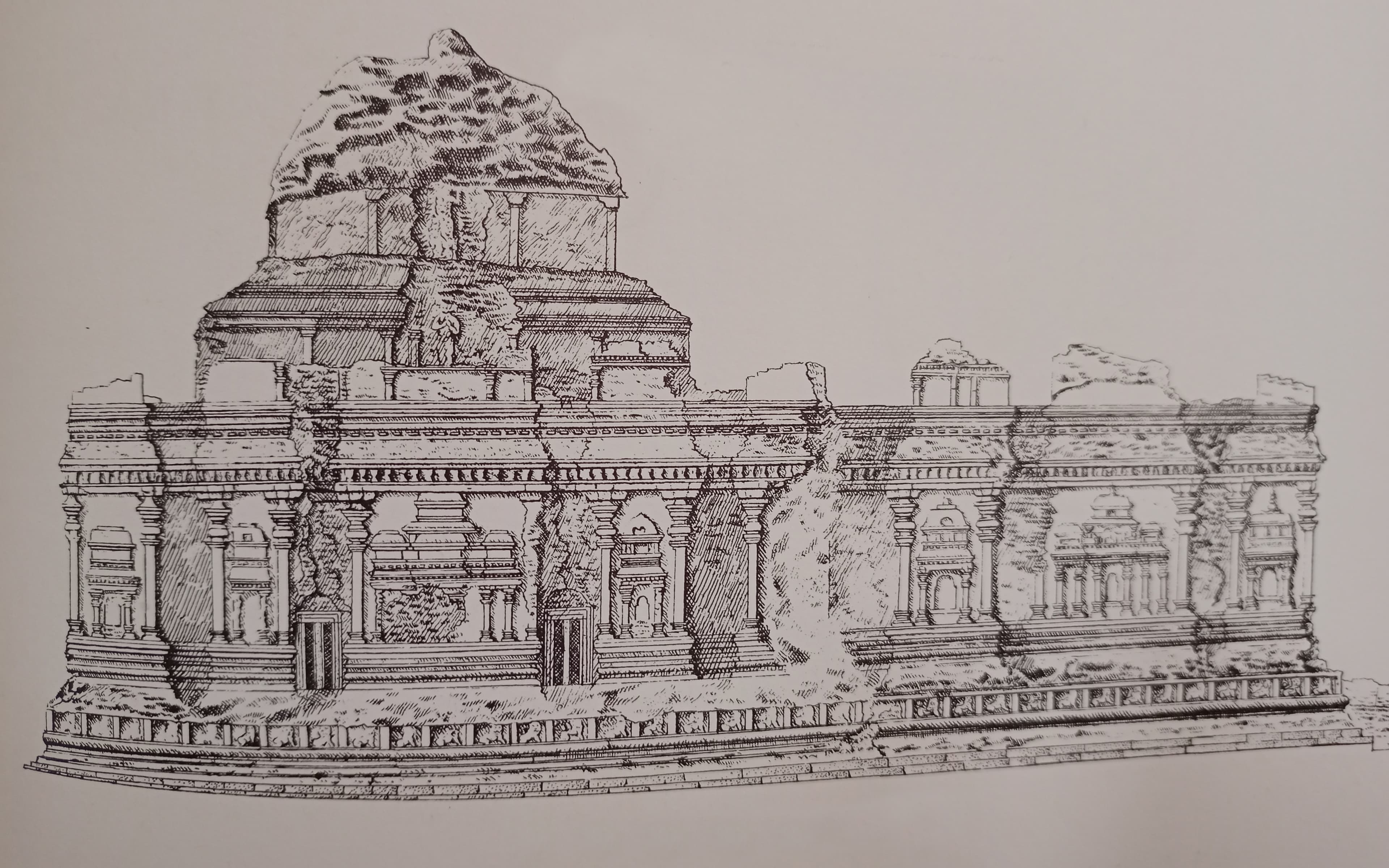
Stone temples to Shiva and Vishnu lie scattered all around Polonnaruwa. Deep inside their innermost shrines, gleaming in the darkness, were statues of their gods; Siva Nataraja, the Lord of the Dance, his consort Parvati and their son Ganesh, the Elephant God, all brought to life in gold and bronze.
Buddha. Polonnaruwa.1150-1200 AD.
In the relationship of art and society the importance of an accepted iconography cannot be overly stated...if an iconography contains a number of sufficiently powerful symbols it can positively alter a philosophical system
Sir Kenneth Clarke,
Moments of Vision and other Essays(1954)
The mingling of Hinduism with Buddhism is visible everywhere. Over a period of time, influences which had once been foreign became the norm, transforming the very forms they were absorbed into. This process of fusion and transformation formed the core of Sri Lanka's medieval identity. Despite the wars and the destruction, there was diversity, co-existence and integration.
Parakrama Samudra. Polonnaruwa
Irrigation Civilization
Not even a drop of water that comes from the rain must flow into the ocean without being made useful to man
King Parakramabahu the Great (1123–1186 AD)
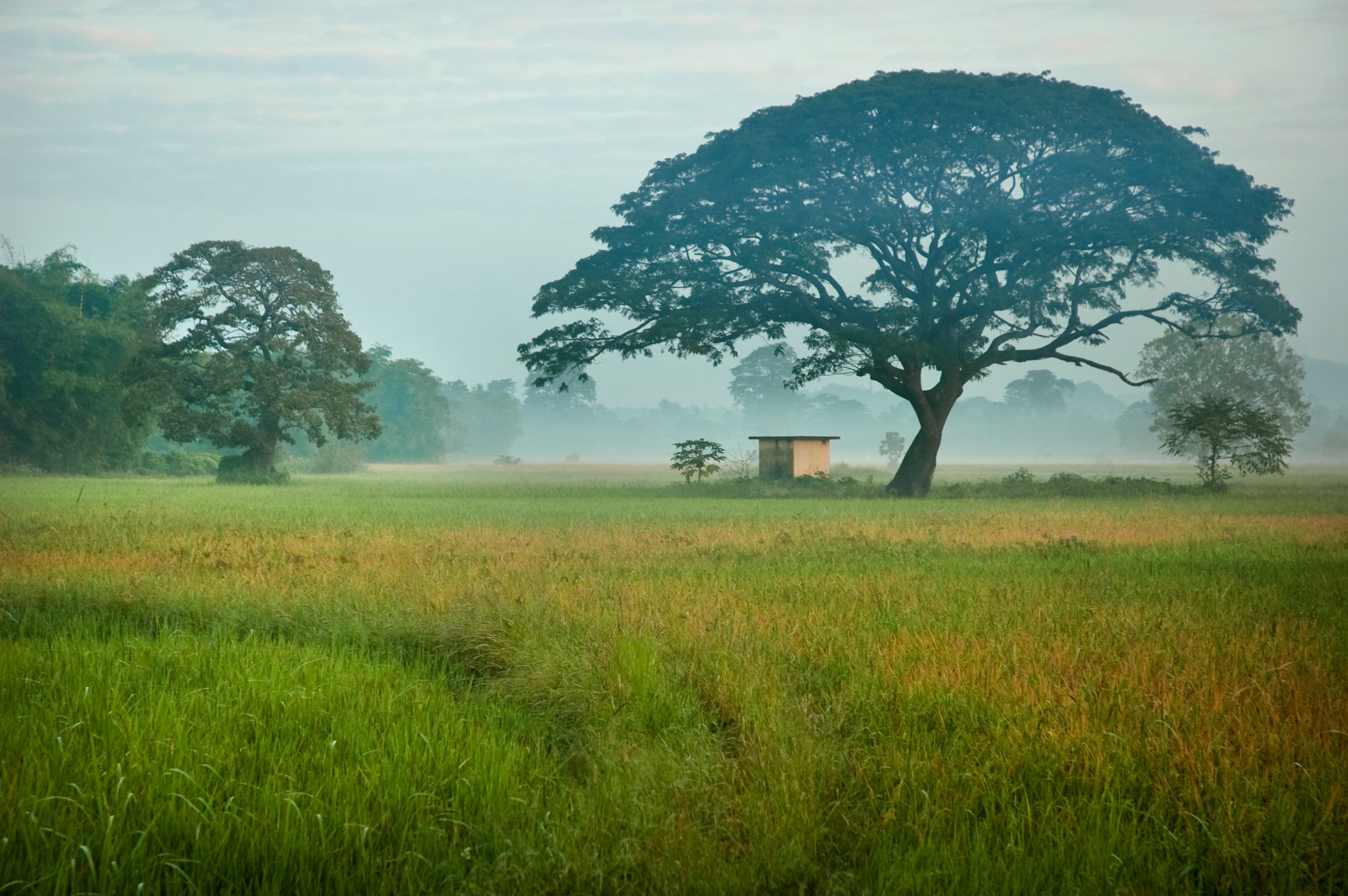
The landscape and climate of Sri Lanka's Dry Zone were well suited to the cultivation of rice. What was lacking was water. To irrigate the parched landscape, the ancient kings built an enormous network of dams, canals and giant reservoirs. The reservoirs themselves were so large that they resembled vast inland seas. This irrigation civilization was the foundation of ancient and medieval Lanka. It was a complex and delicately balanced mechanism, which demanded constant maintenance and a careful harmony with the environment.
Polonnaruwa was a capital built on the use of water and irrigation. At its heart lies the great manmade lake, the Parakrama Samudra. Stretching across 5350 acres, irrigating over 18,000 acres of paddy, it was so vast that it was known as The Sea of Parakrama.
A Society at War
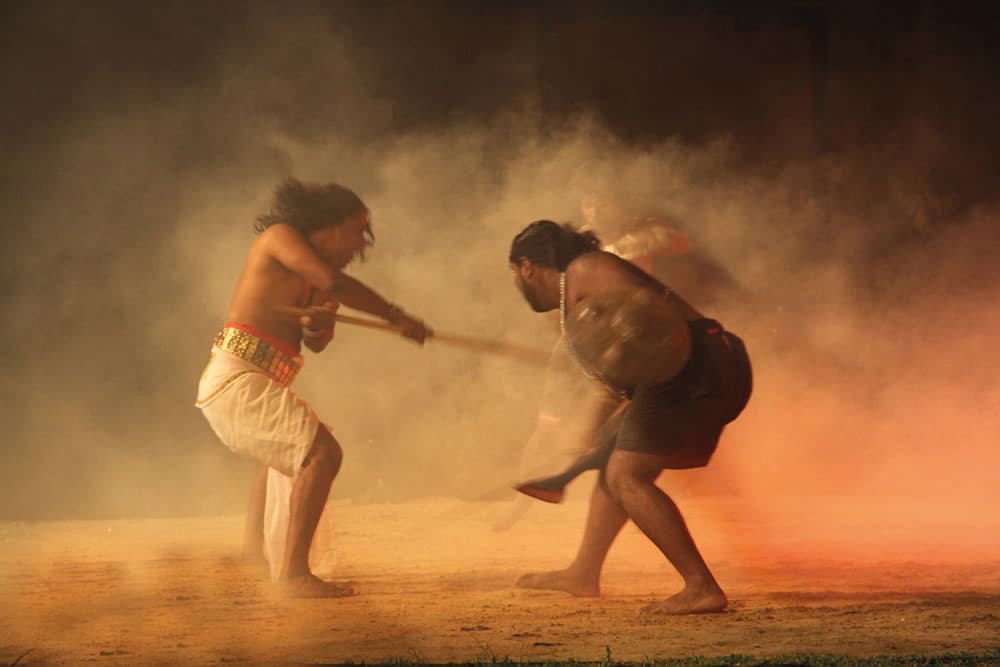
Ultimately Polonnaruwa was a society at war. At the heart of its military ethos was the ancient Sri Lankan martial art of Angampora. Combining hand-to-hand combat, fighting with weapons and spiritual and physical training, although its history reaches back into thousands of years, it is still alive today.
A look into Angampora - Sri Lanka's ancient martial art form
Tab. Angampora. The Power of Ancient Tradition of Fighting in Sri Lanka. Event Media Films
https://www.youtube.com/watch?v=N9iwNHDNBjw