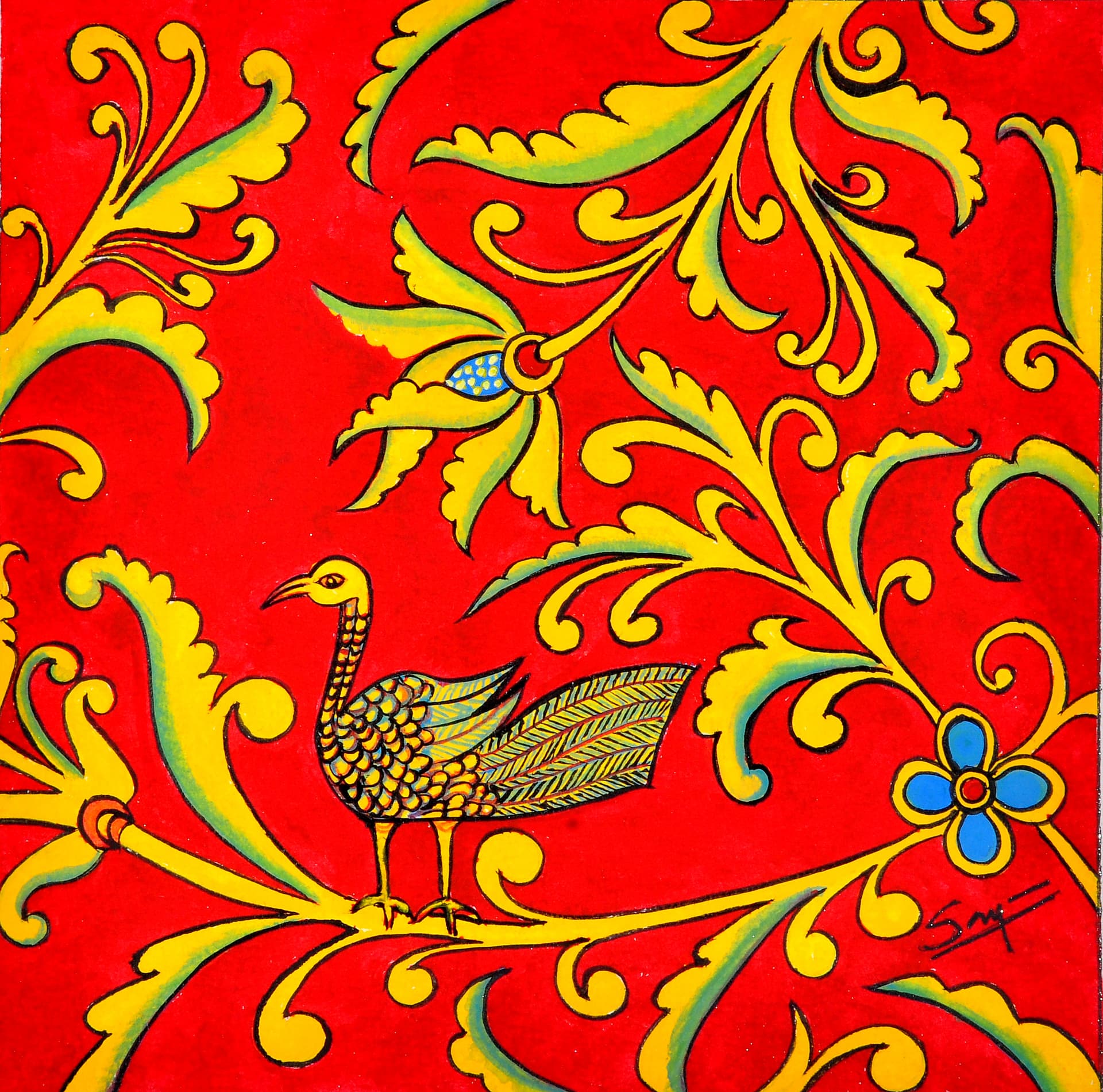
Painting By Saroja Dharmadasa
The
Language
of the
Visual Arts
“The visual arts are the expression of human creativity, a visualization of the way we see life and the world around us. Standing midway between what is perceived and what is believed, they stem from a need to make sense of human existence and explain it.... (They) describe those skills that are visible to the human eye... a language through which humans speak with the world”
A Voyage into the Mind of a Living Civilization
Art contains in itself the deepest principles of Life,
The truest guide to the greatest art, the Art of Living.Ananda Coomaraswamy, Essays in National Idealism (1909)
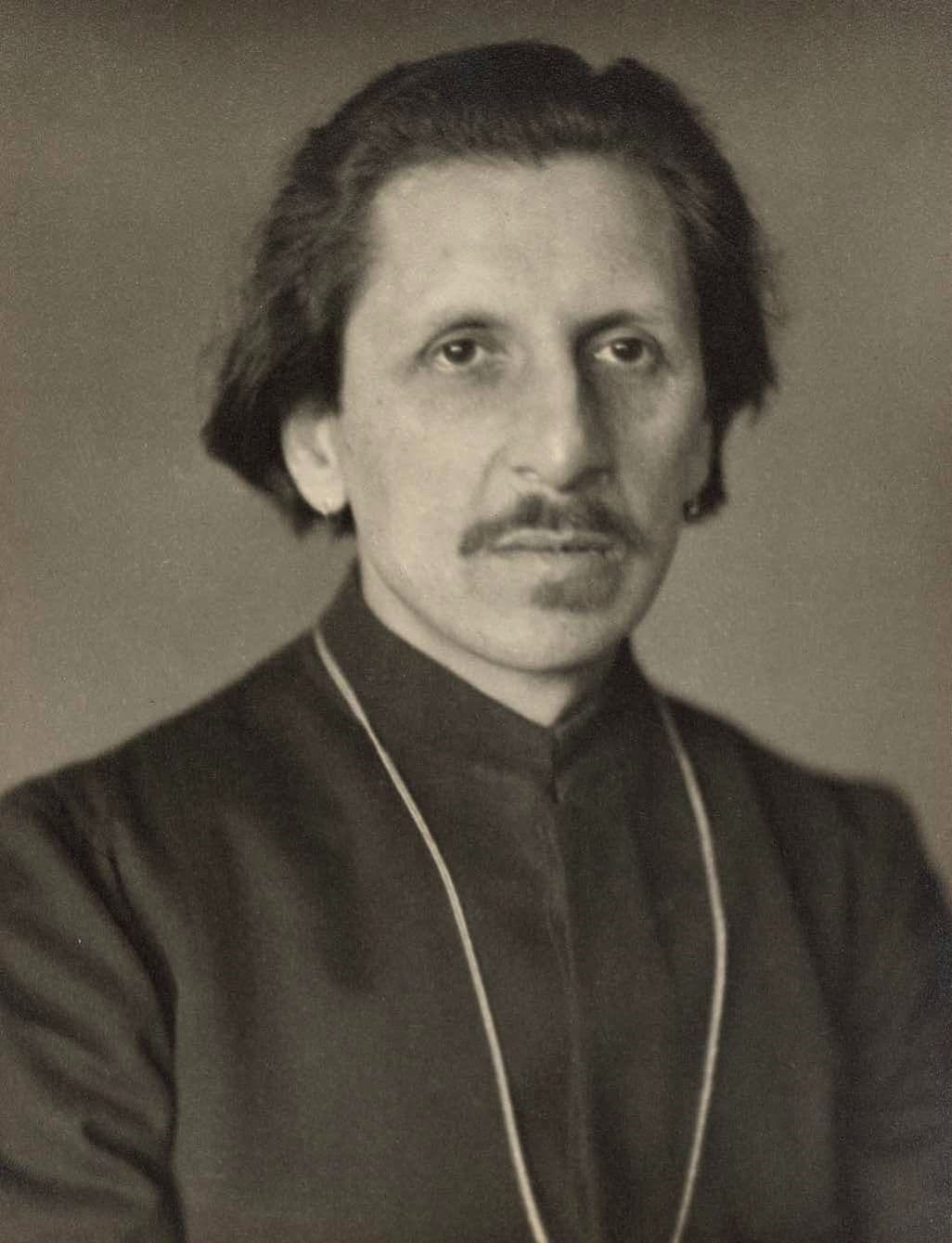
Ceylonese philosopher, thinker and theorist, Ananda Kentish Coomaraswamy (1877 – 1947) was one of the great art historians of the 20th century. The son of Tamil legislator and philosopher Sir Muthu Coomaraswamy and his English wife Elizabeth Beeby, he was responsible for introducing Indian Art to the West.
Seeking the meaning of art within a traditional culture, he set himself to examine the religious and philosophical beliefs that determined the origin and evolution of a work of art.
Over centuries, Sri Lanka has become home to many cultures, languages and religions. Despite the passage of time, Sri Lanka remains a living civilization, whose arts, language, religion, customs and culture still retain their links with the ancient past. Even after 2,000 years, this inheritance remains alive today. Although much younger than India and China, it is still one of the world's oldest living cultures. Shaped by the society from which it springs, conditioned by its beliefs, its rituals, and its social codes, the art of this culture forms a language which acts as a window into its mind and its soul.
Travel is an eye-opening experience that allows us to gain a fresh outlook and draw on new cultures and surroundings. Interacting and discussing is a form of exchange that can be a valuable part of the learning process. It is also part of the experience of travel.
This specialist tour seeks to chart the story of a living culture through the visual arts. It is a journey through art, architecture, craft, literature, history, philosophy, music, dance, and the environment. Combining style with the arts of seeing, knowing and understanding, it seeks to enrich the experience of travel with the art of learning and the act of feeling, enabling the traveller to see, to read, to think and to discuss. Leaving impressions and questions which will linger in the mind, it seeks to give meaning to what we see. Interactive, Participatory and Educational, this experience will explore the art and culture of Sri Lanka from 500 BC-1815 CE. It includes audio-visual elements, readings, music and performance and incorporates site visits, illustrated lectures, discussion and seminars, with the study of manuscripts, historical documents, literature, maps and plans.

Photograph by Hiranya Malwatta
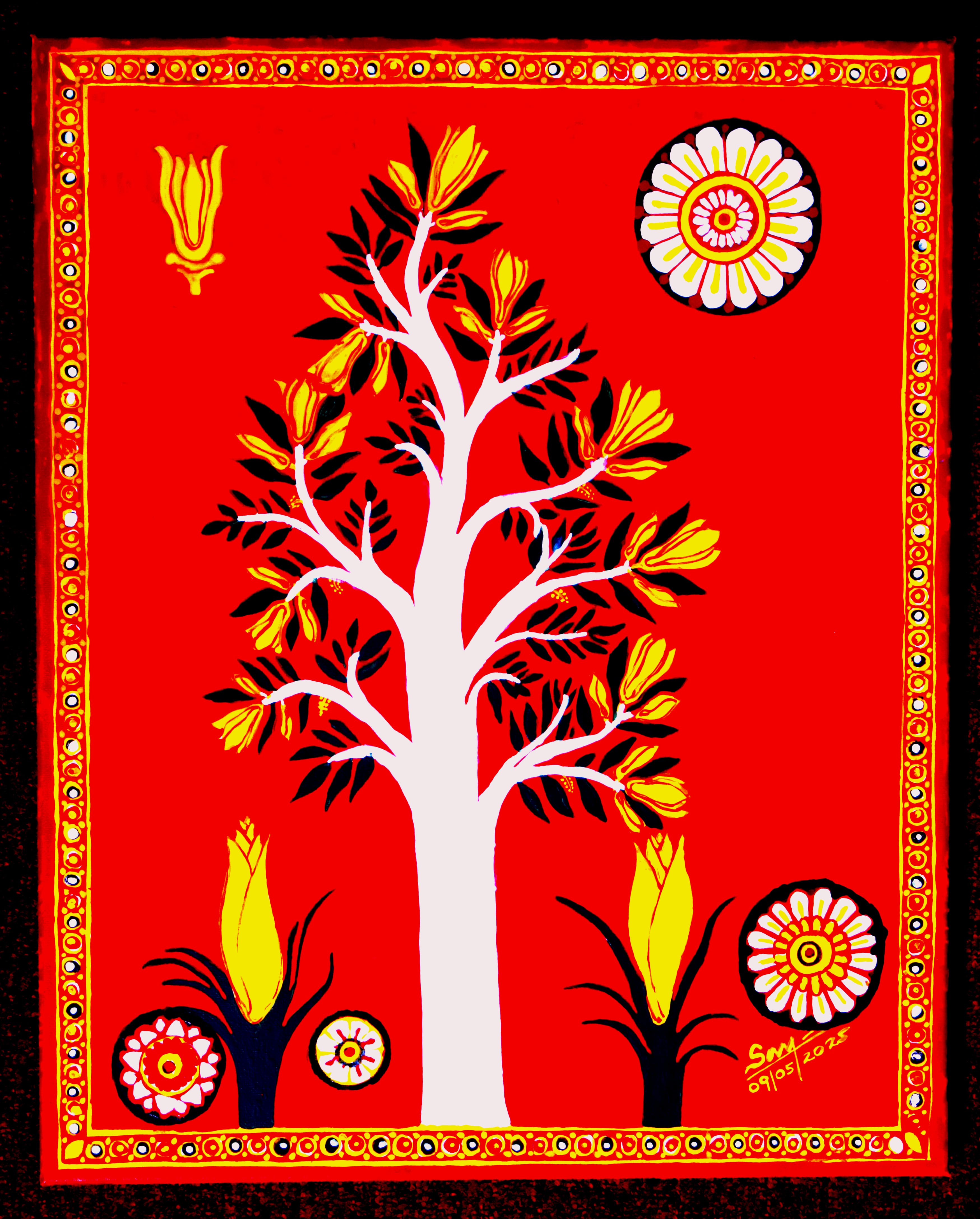
Painting By Saroja Dharmadasa
Orhan Pamuk,
My Name Is Red
(1998, Trans. 2001)
The Art of Living
.png&w=1920&q=75)
Style is not only part of art; it is also part of the art of living, the way in which something is done. This comes from what we wear and what we eat and drink. It is also shaped by our surroundings.
Sri Lanka has its own style, its own unique way of doing things. To feel the heartbeat of the country, we will stay in unique and special places which reflect its creativity, atmosphere and heritage. We will experience the different environments, jungles, hills and lakes of this magical island nation. We will make music with its drummers and dancers and create with its craftsmen. We will eat and drink in a way which captures its different flavors.
This is a sensory and intellectual experience. It is about much more than touring sites, seeing and watching. It is about Experiencing and Knowing, Listening, Touching, Feeling, Tasting, Reading and Thinking, it involves Making and Creating, Learning and Doing. Our intention is to create a series of experiences which will enable us to see more deeply into the heart and soul of an Ancient Living Civilization.
The Living Treasure of Memory